
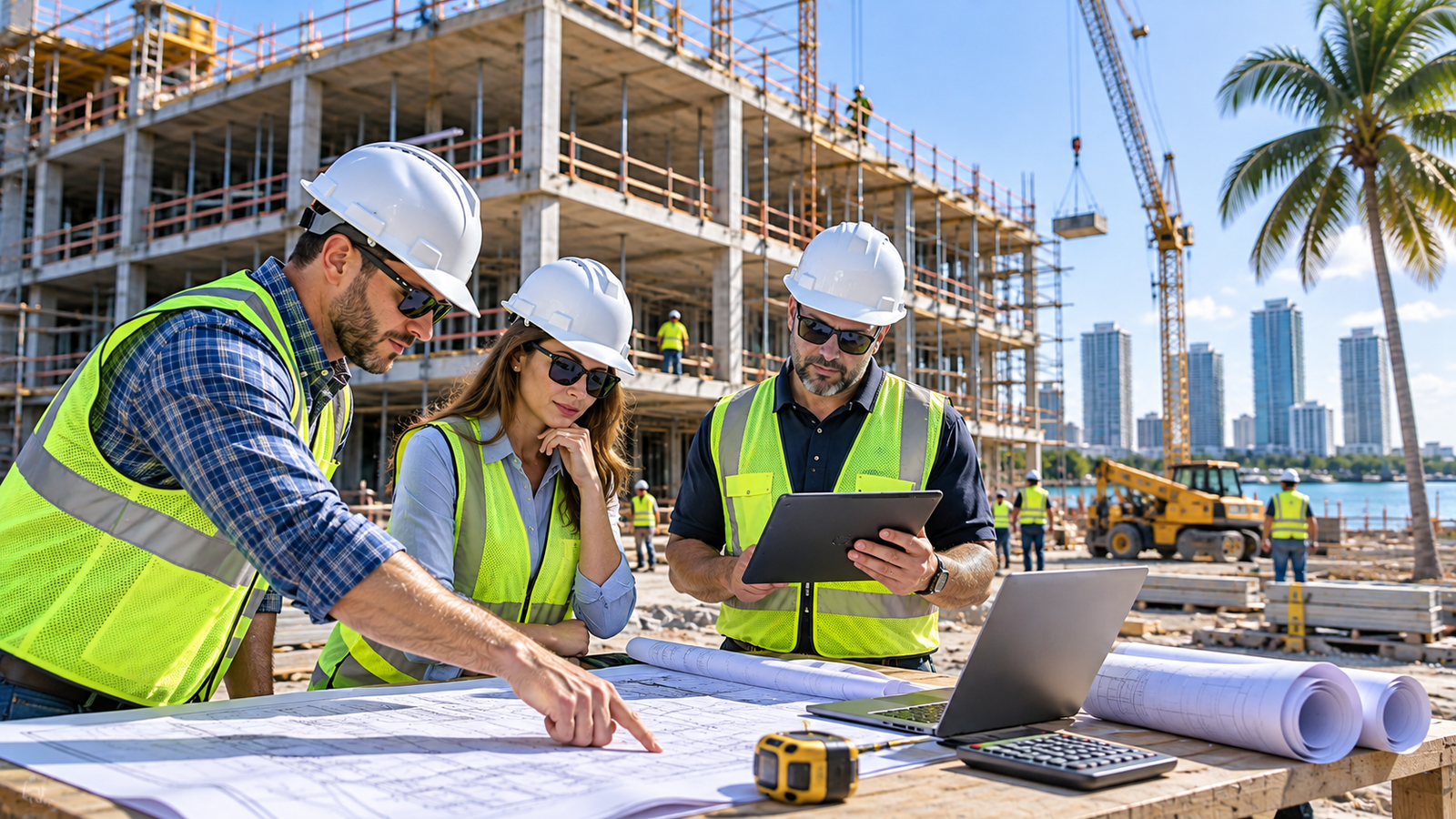
Starting a construction project in Virginia requires careful planning, accurate budgeting, and an understanding of local building regulations. Whether you are constructing a new home, renovating an existing property, developing a commercial building, or planning an industrial facility, preparing before construction begins can help prevent costly mistakes and project delays.
Virginia’s construction industry has different cost considerations depending on location, labor availability, material prices, site conditions, and building requirements. From Northern Virginia to Richmond and Hampton Roads, every project needs a well-organized construction plan and realistic cost estimate.
Here are the most important things to know before starting a construction project in Virginia.
Define Your Construction Project Scope
The first step is identifying what you want to build and establishing a clear project scope. Determine the building size, design, construction type, number of floors, materials, and required features.
Your project documents should include:
- Architectural drawings and floor plans
- Structural and engineering plans
- Electrical and plumbing layouts
- HVAC system specifications
- Material and finishing requirements
- Site development plans
A clearly defined scope helps contractors understand project requirements and calculate the resources needed. Professional Construction Cost Estimating Services can help organize project expenses and provide detailed cost breakdowns before construction starts.
Prepare a Realistic Construction Budget
Budget planning is one of the most important parts of starting a construction project. Your budget should cover more than basic building materials and labor.
Consider including:
- Land preparation and excavation
- Foundation and structural construction
- Material procurement
- Labor and subcontractor expenses
- Electrical, plumbing, and HVAC installations
- Permits, inspections, and insurance
- Equipment rental and transportation
- Overhead and contingency allowances
Construction costs vary across Virginia. Projects in Arlington, Fairfax, Alexandria, and Ashburn may have different labor and material expenses compared with projects in Richmond or rural areas.
Professional Preliminary Cost Estimating Services can help property owners and developers establish an early project budget before final construction documents are completed.
Understand Virginia Building Codes and Permits
Before starting construction, check the building codes, zoning requirements, and permits applicable to your project location.
Virginia follows the Virginia Uniform Statewide Building Code (USBC), which establishes construction requirements for new buildings, additions, renovations, and certain repair projects. Local building departments enforce applicable code provisions and process permits.
Depending on your project, you may need:
- Building and structural permits
- Electrical and plumbing permits
- Mechanical and HVAC permits
- Zoning and land-use approvals
- Site development and grading approvals
Permit requirements depend on the project scope and local jurisdiction. For example, requirements in Fairfax County may differ from those in Richmond or Virginia Beach.
You can review official requirements through the Virginia Department of Housing and Community Development.
Choose the Right Construction Materials
Material selection directly affects construction quality, durability, and overall project costs. Before purchasing materials, compare supplier prices, product specifications, availability, and installation requirements.
Common construction materials include:
- Concrete and reinforcing steel
- Structural steel and lumber
- Roofing and insulation products
- Drywall and flooring materials
- Doors, windows, and exterior finishes
- Electrical and plumbing components
Accurate material calculations help prevent unnecessary purchases and shortages. Material Takeoff Services help identify the quantities required for different construction activities, while Quantity Takeoff Services provide detailed measurements from construction drawings.
Evaluate Site Conditions and Location
The construction site can significantly influence project costs and schedules. Before beginning work, evaluate soil conditions, drainage, accessibility, existing utilities, and land elevations.
Virginia has different geographical conditions across the state. Coastal areas such as Norfolk and Virginia Beach may require additional attention to flood exposure, wind conditions, and drainage. Meanwhile, some western Virginia locations may involve sloped terrain, rock excavation, and longer material transportation distances.
Important site preparation activities include grading, excavation, foundation preparation, utility connections, and stormwater management.
Professional Sitework and Excavation Estimating Services can help calculate the expenses associated with these activities.
Plan Labor, Equipment, and Specialized Trades
Every construction project requires skilled workers and appropriate equipment. Depending on the project, you may need general contractors, electricians, plumbers, concrete specialists, roofers, HVAC technicians, and equipment operators.
MEP systems are particularly important because mechanical, electrical, and plumbing installations can represent a substantial portion of a building’s construction budget.
Using professional MEP Estimating Services helps contractors calculate trade-specific material, labor, and equipment requirements.
You should also compare subcontractor proposals and confirm that each contractor understands the project scope and schedule.
Work With Professional Construction Estimators
Accurate estimating is essential for controlling construction expenses and preparing competitive bids. Professional estimators review drawings, calculate quantities, evaluate local material and labor prices, and prepare detailed project cost reports.
Virginia Cost Estimating provides professional estimating solutions for residential, commercial, and industrial construction projects throughout Virginia.
Its Residential Construction Estimating Services support home builders, homeowners, and developers. Contractors planning office buildings, retail spaces, and other commercial developments can use Commercial Construction Estimating Services.
The company also provides Industrial Construction Estimating Services, Concrete Estimating Services, and Bid Estimating Services to support different project requirements.
Conclusion
Starting a construction project in Virginia requires proper planning, realistic budgeting, suitable material selection, and knowledge of local building regulations. Evaluating site conditions, organizing labor, securing necessary permits, and preparing accurate cost estimates can help reduce unexpected expenses and improve project efficiency.
Whether you are planning residential, commercial, or industrial construction, working with experienced construction estimators can help you make informed decisions and manage your budget effectively. Virginia Cost Estimating provides professional estimating and quantity takeoff solutions to help construction professionals plan projects with greater confidence.
Frequently Asked Questions (FAQs)
1. What should I do before starting a construction project in Virginia?
Define your project scope, prepare a budget, review building codes, evaluate site conditions, obtain required permits, and arrange accurate construction cost estimates.
2. Do I need a building permit for construction in Virginia?
Most new building construction and many structural, electrical, plumbing, and mechanical alterations require permits. Requirements depend on the work and local jurisdiction.
3. What factors affect construction costs in Virginia?
Major factors include project size, location, labor rates, material prices, soil conditions, design complexity, building codes, and subcontractor expenses.
4. Why are construction cost estimates important?
Construction estimates help property owners and contractors understand expected expenses, prepare budgets, compare bids, and reduce the risk of unexpected costs.
5. How can I reduce construction costs in Virginia?
You can control costs by planning the project carefully, comparing material suppliers, using accurate quantity takeoffs, reviewing subcontractor bids, and considering value engineering.
6. Where can I get professional construction estimating services in Virginia?
Virginia Cost Estimating provides residential, commercial, industrial, material takeoff, quantity takeoff, MEP, and bid estimating services throughout Virginia.
